About Freemasonry

A factual introduction to one of the world's oldest fraternal organisations

What is Freemasonry?

Freemasonry is one of the world's oldest and largest secular fraternal organisations. In England and Wales it operates under the authority of the United Grand Lodge of England (UGLE), which was established in 1717 and is the oldest Grand Lodge in the world.

Freemasonry describes itself as "a system of morality, veiled in allegory and illustrated by symbols." Its three principal tenets are:

Brotherly Love

Tolerance and respect for all people

Relief

Charitable giving and care for others

Truth

High moral standards in all aspects of life

Freemasonry is not a religion and has no religious doctrine. However, all members are required to profess a belief in a Supreme Being. Freemasonry welcomes men of all faiths on an equal footing.

It is not a secret society. Lodges are registered publicly with UGLE, and membership itself is not secret — though the specific ritual workings of the degrees are traditional and not publicly disclosed.

Historical Context
  • The Premier Grand Lodge of England established: 1717
  • Lodge of Harmony No. 255 founded: 1785 (68 years later)
  • UGLE has lodges in over 100 countries
  • Province of Middlesex is led by HRH Prince Michael of Kent — the only province led by a Prince of the Royal Blood
  • Grand Master of UGLE: HRH The Duke of Kent (in post over 50 years)
"Freemasonry is a system of morality, veiled in allegory and illustrated by symbols."
— Traditional Masonic description

The Three Degrees

Craft Freemasonry comprises three progressive degrees. Each degree involves a ceremony (called a "working") in which a candidate progresses through stages of membership.

Entered Apprentice

The first degree, in which a candidate is initiated into Freemasonry. This is the beginning of the Masonic journey. Sir Arthur Sullivan's initiation into Lodge of Harmony No. 255 on 11 April 1865 was his First Degree ceremony.

Fellow Craft

The second degree, in which a member is "passed." Sullivan's Second Degree ceremony at Lodge of Harmony took place on 3 October 1865, approximately six months after his initiation.

Master Mason

The third and final degree of the Craft, in which a member is "raised." Full membership rights and responsibilities are conferred. Sullivan was raised to Master Mason on 30 January 1866. Further degrees and orders are available to Master Masons who wish to explore them.

Freemasonry and Charity
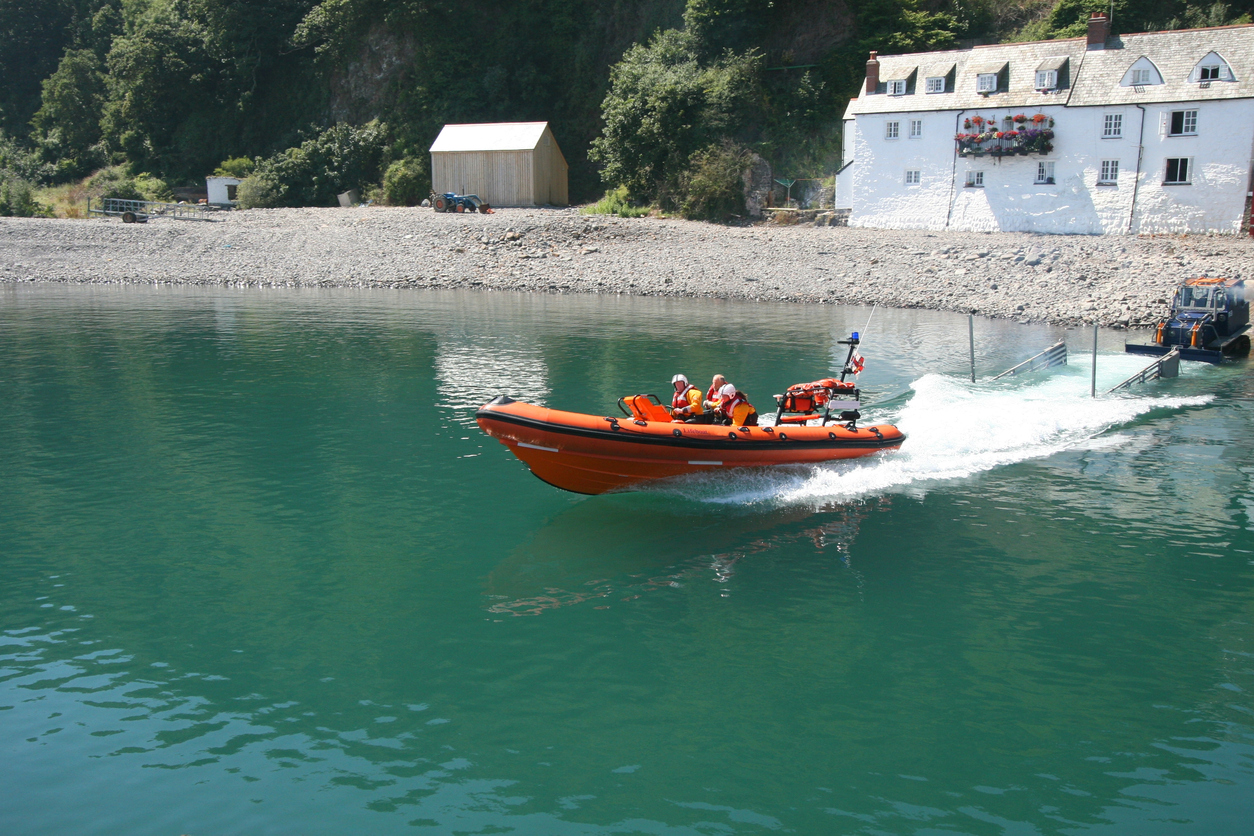
Charitable rescue services supported by Freemasonry

Freemasonry in England and Wales is one of the largest single sources of charitable giving in the country. The Masonic Charitable Foundation distributes in the region of £33 million annually, of which approximately one third — around £11 million — goes to non-Masonic charities, including medical research, hospices, and community organisations.

At lodge level, Lodge of Harmony No. 255 supports charitable causes at local, national, and international levels, and has historically been involved in community events in the Twickenham area.

£33m
Approximate annual charitable distribution by the Masonic Charitable Foundation
~⅓ to non-Masonic causes

Frequently Asked Questions

No. Freemasonry is not a religion and has no religious creed or doctrine. It does require that all members profess a belief in a Supreme Being, but it is open to men of all faiths. Religious and political discussion is excluded from lodge meetings.

No. Lodges are registered with the United Grand Lodge of England and membership is not kept secret. Freemasonry describes itself as "a society with secrets" rather than a secret society — the specific ritual workings of the degrees are traditional and private, but the existence and purpose of lodges is entirely open.

No. Candidates must come forward of their own free will — Freemasons do not solicit members. However, you do not need to know a Freemason to enquire. Lodge of Harmony No. 255 welcomes enquiries from anyone interested in learning more. Simply contact us using the details on our Contact page.

Under the United Grand Lodge of England, Craft Freemasonry is open to men aged 21 or over who are of good character and who profess a belief in a Supreme Being. There is no restriction based on nationality, profession, or social background. Women's and co-Masonic organisations exist separately and are not under the authority of UGLE.

A typical lodge meeting has two parts: the formal lodge proceedings (held in the lodge room), which may include ceremonial work, lodge business, and the election of officers; and a dinner (called a "festive board") afterwards, at which members, guests, and visitors dine together. Lodge of Harmony meetings run approximately from 4 pm to 10 pm. Visitors are always welcome.

A Lodge of Instruction (LOI) is a practice or rehearsal evening, held separately from regular lodge meetings. It gives members — particularly newer members — the opportunity to learn and practise the ritual and ceremonial work of the lodge in a relaxed environment. Lodge of Harmony holds LOI evenings on Tuesdays between its regular meetings, as required.

Have a question not answered here?

Get in Touch